


You may also like
-

Bentheim Forest Poster
George Andries Roth · 1837 · Quiet woodland art print with travelers and horses beneath towering trees
Poster from €9 · Framed from €16
-

Big Tree Poster
Cornelis Steffelaar · 1825 · Quiet landscape art print centered on a monumental tree in soft grey tones
Poster from €9 · Framed from €16
-

Umbrella Pines Poster
Hendrik Voogd · 1816 · Serene Italian landscape art print featuring umbrella pines, warm light, and distant blue hills
Poster from €9 · Framed from €16
-

Orange Trees And Gate Poster
Winslow Homer · 1885 · Sunlit watercolor garden print with orange trees and a wooden gate
Poster from €9 · Framed from €16


-

"Very nice Posters. The quality is amazing and we received it very quickly !"
-

"A shop to visit absolutely. Huge selection of posters. We spent more than an hour there !"
-

"Perfect to find gift. Price are very good. An they can frame and pack it on site"


About the Artist
George Andries Roth was active during the mid-19th century, a time when landscape painting offered viewers a contemplative escape from the rapid changes of industrial society. Artists like Roth were inspired by the Romantic movement, which valued emotional resonance and the quiet dignity of nature. His works often reflect a deep appreciation for rural scenes and the subtle moods of the countryside.
This piece appeals to admirers of 1800s landscape art and to those seeking classic art prints that evoke a sense of tranquility and timelessness.
The Artwork
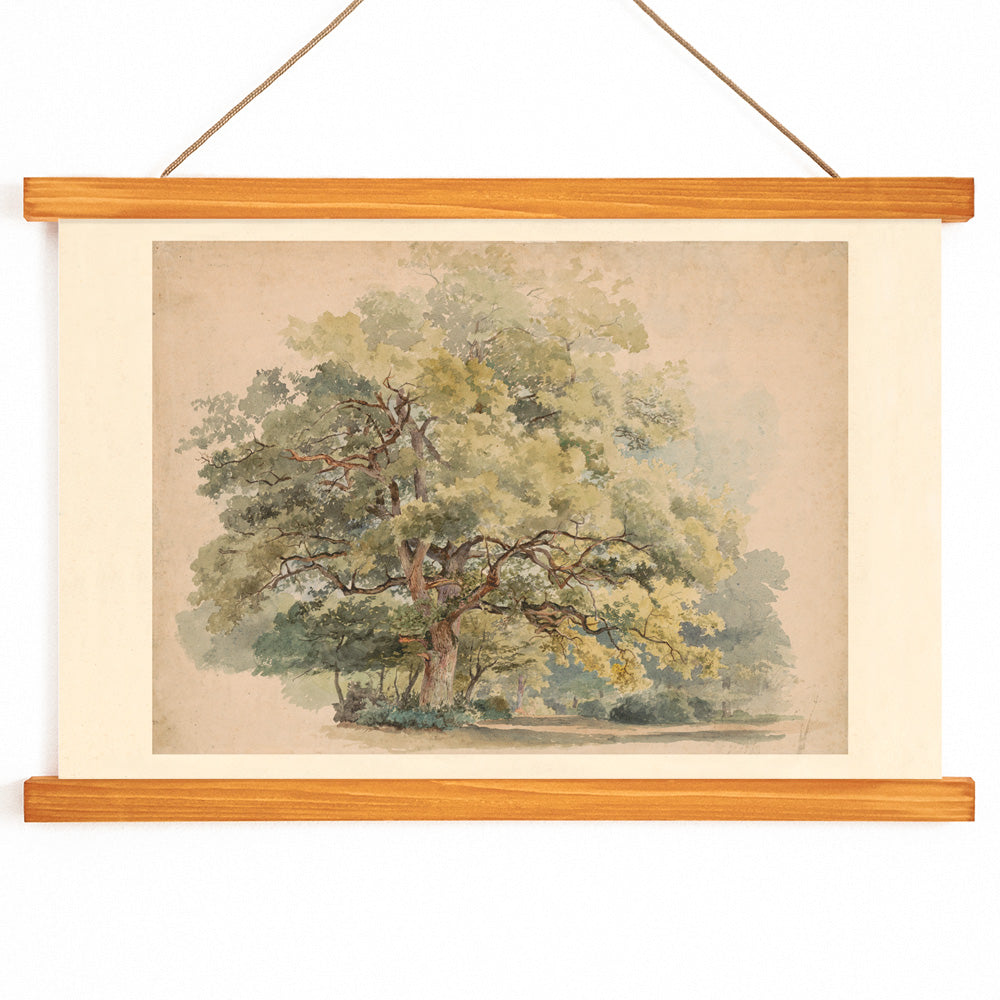
Painted in 1849, this artwork centers on the enduring motif of a solitary tree, symbolizing resilience and steadfastness in the face of passing time. In the context of the nineteenth century, such imagery was often seen as a meditation on solitude and the enduring beauty of the natural world. The scene invites viewers to pause and reflect, offering a gentle respite from the bustle of daily life.
This landscape art print captures the spirit of Romanticism, encouraging a deeper appreciation for the quiet moments found in nature and the stories they suggest.
Style & Characteristics
The composition features a single, prominent tree standing in an open field, acting as the visual anchor of the scene. Roth’s technique is marked by delicate brushwork and a careful rendering of light, lending the landscape a serene and understated quality. The palette is dominated by soft greens and warm yellow-beige tones, creating a natural, harmonious atmosphere.
The overall effect is spacious and contemplative, making it a fitting addition to collections focused on landscape wall art or those drawn to green tone posters. The mood is peaceful, inviting viewers to linger and enjoy the subtle interplay of light and color.
In Interior Design
This vintage landscape art print brings a sense of calm to living rooms, hallways, or offices, where its quiet subject can provide balance to busier decor. It complements modern, Scandinavian, rustic, and transitional interiors, especially when paired with natural materials and muted tones.
Combine it with linen fabrics, light woods, and soft greens for a cohesive look. As part of a gallery wall, it offers a gentle visual pause between more vibrant works, enhancing the overall harmony of your space.